
Advancing gender equality across Africa’s telecom and energy infrastructure: a dialogue between Amethis and Netis Group
AMETHIS × NETIS GROUP | Interview
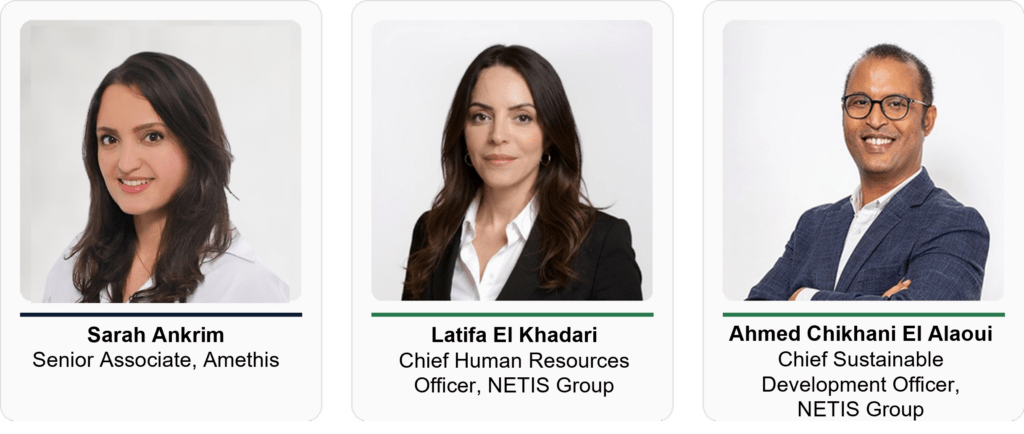
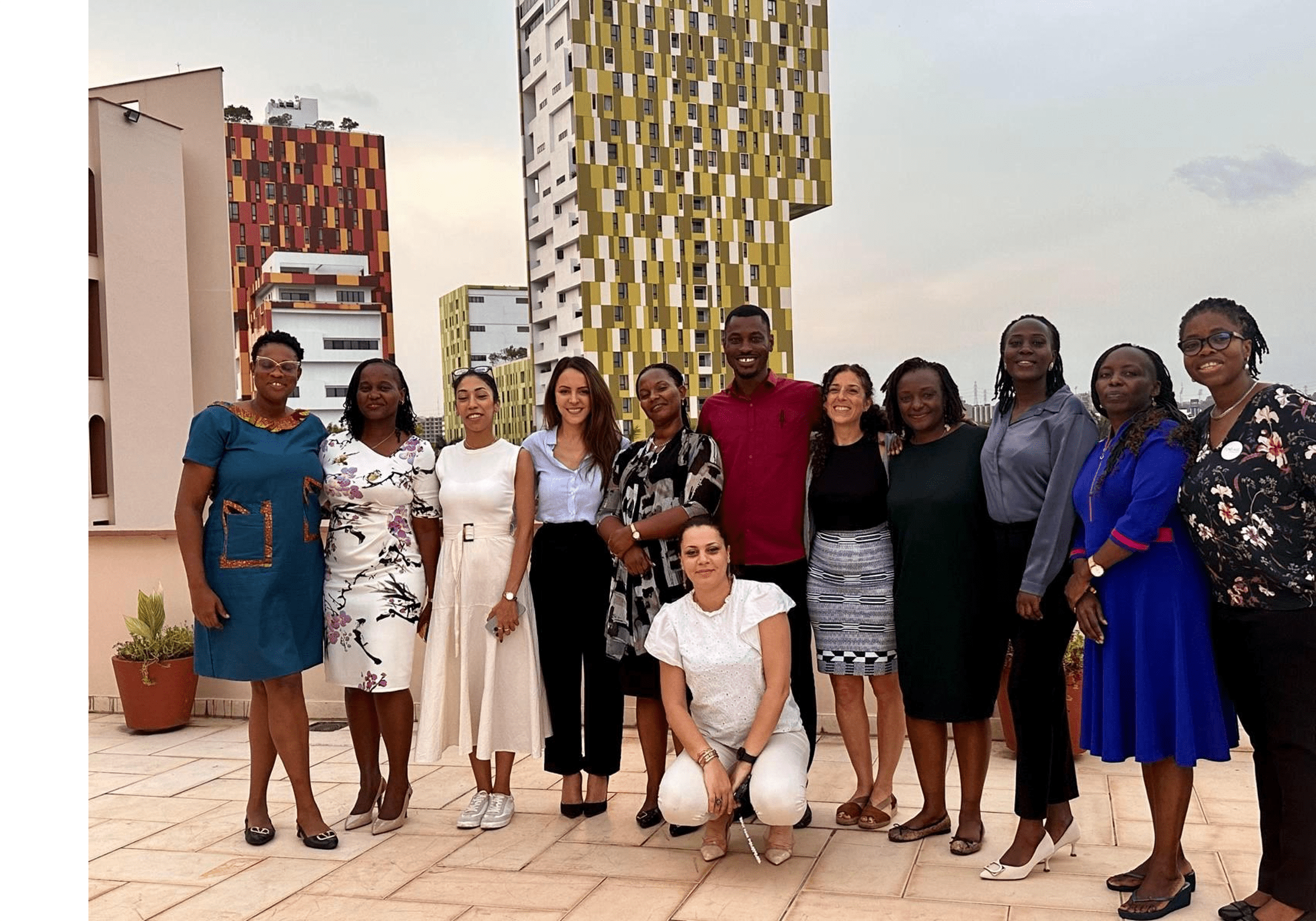
Sara Ankrim, Associate Senior at Amethis, spoke with Latifa El Khadari, Group Human Resources Director, and Ahmed Chikhani El Alaoui, Group Sustainable Development Director at NETIS, about how one of Amethis’s portfolio companies is taking concrete action to address gender inequalities in its African operations.
| NETIS GROUP — AT A GLANCE | |||
| 21% women in the group (+3 pts since 2021) [1] | 664 women in the group (2025) +232 female jobs created since 2021 | 27% women in middle management | 25% on the Executive Committee (2 women out of 8) |
Context: why gender equality in Africa is a strategic issue
In Africa, women represent an economic force that is still largely underutilized. According to the ILO, women’s labor force participation rate in Sub-Saharan Africa is close to 60% – one of the highest in the world in gross terms – but this figure masks a more nuanced reality: women remain heavily concentrated in informal, precarious, and low-paid work, with limited access to leadership positions or career advancement.[2][3]
Research by the World Bank’s Gender Innovation Lab consistently shows that even when women enter the labor market, structural barriers – discriminatory norms, lack of mentorship, and limited access to formal training – hinder their progression into management and leadership positions1. In technical sectors such as infrastructure, telecommunications, and energy – which are NETIS’s core business areas – these dynamics are even more pronounced.
At Amethis, these dynamics are central to the way we assess and support our portfolio companies. We conduct gender due diligence as part of our investment process, and we actively work with our partner companies to make progress measurable and sustainable. NETIS Group – a pan-African group operating in 16 countries and employing more than 3,000 people – provides a concrete illustration of what this work looks like on the ground.
Key Figures
| ~60 % | Women’s labor force participation rate in Sub-Saharan Africa (ILO, 2024) – but the majority are in informal or low-skilled employment [2] |
| <10 % | Share of women in top management of African private-sector companies (World Bank Gender Innovation Lab, 2024) [1] |
Sara Ankrim Senior Associate, Amethis : NETIS operates in 16 African countries, in sectors that have historically been male dominated. How did gender equality become a strategic priority for the group, and what does that mean in practice?
Latifa El Khadari – Chief Human Resources Officer, NETIS Group
At NETIS, gender equality is neither a recent initiative nor a peripheral issue. It is directly embedded in the group’s core mission: improving social life in Africa by deploying smart telecom and energy infrastructure and solutions.
Since the group was founded, our vision has always been to contribute to the economic and social development of the countries in which we operate. From this perspective, equal opportunity is naturally part of our DNA.
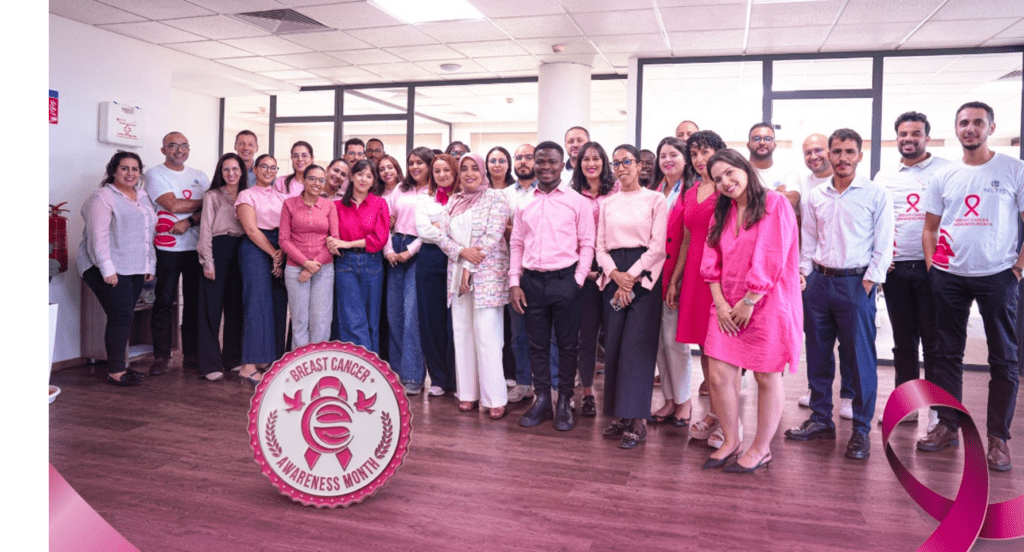
Our SEE values – Sustainability, Equality, Education – reflect this conviction. They express our ambition to build a responsible growth model, where infrastructure development goes hand in hand with positive social impact.
In historically male-dominated sectors such as telecoms and energy, promoting women’s participation is therefore not just a matter of fairness: it is a condition for building organizations that are more representative, more innovative, and more sustainable.
We are also fortunate to rely on shareholders who place great importance on these issues, including Amethis, and who support and encourage these initiatives across the group.
Sara Ankrim : NETIS has implemented a Gender Action Plan across its African subsidiaries. How does this approach translate in practice?
Latifa El Khadari – Chief Human Resources Officer, NETIS Group
We chose to address the issue in a structured and pragmatic way.
The year 2025 marked an important milestone with the rollout, for the first time, of a Group Gender Action Plan, broken down into specific action plans for each of our 16 African subsidiaries.
This first year of deployment achieved an average completion rate of around 80%, which reflects the commitment of local teams.
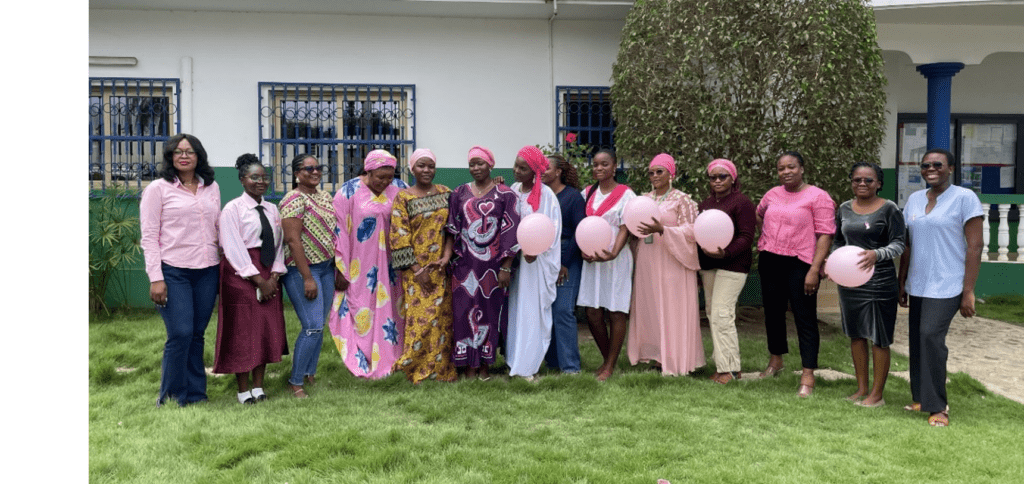
To ensure coordination and follow-up of these initiatives, we also launched a Gender Committee at group level. Each country has a Gender Focal Point, a role carried out by local HR Managers, who contribute to implementing the actions and monitoring progress.
At the same time, we structured a Diversity & Inclusion policy accompanied by a manager handbook and operational guidelines to support managers in their role.
Sara Ankrim : What levers do you use to support women’s progression into positions of responsibility?
Latifa El Khadari – Chief Human Resources Officer, NETIS Group
We have structured our approach around several complementary programs, because we know that progression into positions of responsibility is not built at a single moment in one’s career path. It requires simultaneous action on access to jobs, talent development, and the organizational environment.
The first lever concerns access to technical roles. Through our Internship Program, we seek to attract more young women from scientific and technical backgrounds into functions where they are still underrepresented. The goal is to begin expanding the pipeline of female talent from the point they enter the company.
The second lever is long-term support. Our Mentorship Program pairs emerging female talent with experienced leaders from across the group in order to support their professional development, increase their visibility, and help them progress.
We have also launched the Venus Leadership Program, which is specifically designed to support high-potential women in preparing for management and leadership roles.
Lastly, through the Elevate Allies Program, we wanted to mobilize the entire organization – including male managers – in actively promoting gender equality in the workplace. The idea is that this transformation should not rest solely on women themselves, but should become a collective dynamic driven by the whole group.
The objective is to progressively create a genuine pipeline of female talent, from entry into technical roles through to access to leadership positions, within a professional environment that enables these talents to thrive sustainably.
Sara Ankrim : In operational businesses such as telecom and energy infrastructure, integrating women also raises very practical questions around safety and working conditions. How does NETIS address this dimension?
Ahmed Chikhani El Alaoui – Chief Sustainable Development Officer, NETIS Group
In our infrastructure businesses, teams carry out demanding technical activities: telecom network maintenance, working at height on infrastructure, electrical work, and frequent travel to sites that may at times be isolated.
As the presence of women in our technical teams has gradually increased, we realized that certain elements of our safety systems had historically been designed for almost exclusively male teams. We therefore decided to integrate the concept of gender-based safety into our health and safety approach.
This led us to review certain risk assessments in order to identify operational situations where adjustments were needed. Following this work, we introduced personal protective equipment better suited to women, particularly for harnesses used in working-at-height activities or certain protective equipment for electrical interventions.
We also strengthened certain procedures related to travel and work on isolated sites in order to better frame working conditions in these environments.
These issues are now integrated into our field audits and into our regular discussions with operational teams and partner companies, to ensure that these adaptations are effectively applied throughout our operational chain.
Sara Ankrim : Beyond physical safety, how do you ensure that the people involved in your operations have protection and reporting mechanisms in cases of discrimination, harassment, or gender-based violence?
Ahmed Chikhani El Alaoui – Chief Sustainable Development Officer, NETIS Group
The first dimension is prevention. In demanding technical environments, it is essential that the rules of professional conduct are clearly understood and shared by all teams.
These topics are therefore integrated into regular toolbox talks with field teams and operational managers, in order to remind everyone of the standards of respect and conduct expected in our working environments.
At the same time, it is important that everyone can report a problematic situation with confidence. That is why we have put in place grievance mechanisms accessible to all. These mechanisms are available not only to the group’s employees, but also to people involved in our operations through partner companies or subcontractors.
Reported situations are reviewed within our compliance system and may be escalated to the Group Compliance Committee to ensure appropriate and independent handling.
Sara Ankrim : What are your next objectives?
Latifa El Khadari – Chief Human Resources Officer, NETIS Group
Our short- and medium-term objective is to reach at least 30% female representation across the group. In technical sectors such as telecoms and energy, where women’s presence has historically been limited, this represents a significant shift.
But beyond the figure itself, the main challenge is to create the conditions that make this progress sustainable. This means continuing to develop a strong pipeline of female talent, supporting their progression, and ensuring that working environments remain inclusive.
The goal is for this dynamic to become a natural reality within our organization: for more women to join our technical professions, build their careers there, and in time gain access to positions of responsibility.
This transformation is above all part of an ongoing dialogue with our shareholders. In this regard, we would like to thank Amethis for its commitment and support on these issues, as well as all our partners and investors who support the development of more inclusive growth within the group.
[1] NETIS Group (2024). 2024 Social Sustainability Report. NETIS Group, internal publication.
[2] World Bank Gender Innovation Lab (2024). New Evidence on Women and Jobs in Africa: A Research Workshop Round-Up. World Bank Group, Washington D.C..
[3] International Labour Organization (ILO) (2024). Female labor force participation rate (% of female population ages 15 and above) — Sub-Saharan Africa (modeled ILO estimate). World Bank / ILO Open Data.
https://data.worldbank.org/indicator/SL.TLF.CACT.FE.ZS?locations=ZG